 By admin_redactor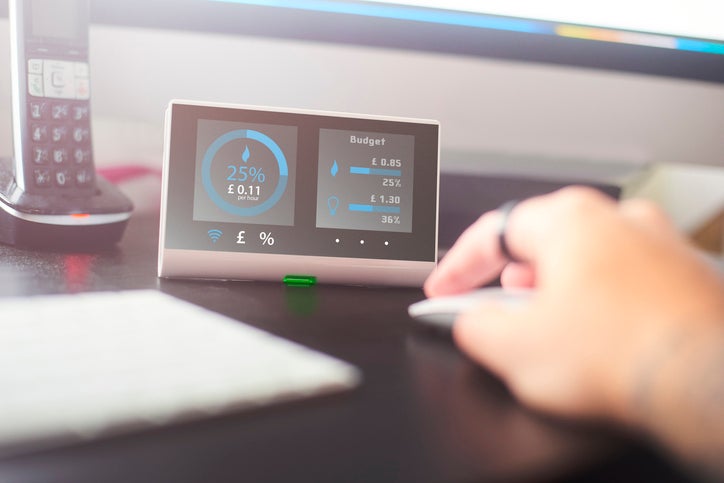
Do Charity Businesses Need a Smart Meter? A Comprehensive Guide for WordPress
Charitable organizations, much like any other business, are constantly seeking ways to optimize their operations, reduce costs, and maximize their impact. In the pursuit of efficiency, the question arises: do charity businesses need a smart meter? This article delves into the benefits and considerations of implementing smart meter technology within the unique context of charitable organizations, exploring how it can contribute to cost savings, sustainability, and operational transparency.
Understanding Smart Meters and Their Benefits
Smart meters are digital devices that measure energy consumption in near real-time and communicate that data back to the utility company. This technology offers a significant upgrade from traditional analog meters, providing detailed insights into energy usage patterns. For any organization, understanding where and when energy is consumed is the first step towards managing it effectively.
Cost Savings Through Optimized Energy Consumption
One of the most compelling arguments for charity businesses to adopt smart meters is the potential for significant cost savings. By providing granular data on energy usage, smart meters allow organizations to identify periods of high consumption, detect energy wastage, and implement targeted strategies for reduction. This can translate into lower electricity and gas bills, freeing up valuable funds that can be redirected towards the charity’s core mission.
Fact: Smart meters can help identify “phantom loads” – energy consumed by appliances and electronics even when they are turned off but still plugged in.
Moreover, smart meters can facilitate participation in demand-response programs offered by utility companies. These programs incentivize businesses to reduce their energy consumption during peak demand periods, often in exchange for financial credits. For a charity operating on a tight budget, these savings can be substantial.
Environmental Impact and Sustainability Goals
Beyond financial benefits, smart meters play a crucial role in supporting a charity’s environmental and sustainability goals. By enabling precise monitoring of energy consumption, organizations can more effectively implement energy-saving measures, such as optimizing heating and cooling schedules, encouraging staff to adopt energy-conscious practices, and investing in more energy-efficient equipment.
This commitment to reducing energy consumption not only lowers the charity’s carbon footprint but also aligns with the values of many donors and beneficiaries who increasingly prioritize environmental responsibility. Showcasing a commitment to sustainability can enhance a charity’s public image and attract greater support.
Operational Transparency and Reporting
Smart meter technology can also bolster operational transparency. The detailed data generated by smart meters can be used to create accurate energy consumption reports, which can be invaluable for budgeting, financial planning, and demonstrating accountability to stakeholders. This level of transparency can be particularly important for charities that rely on public funding and grants.
Here’s a look at how different areas within a charity might benefit:
* **Office Spaces:** Monitor and reduce energy used for lighting, heating, cooling, and office equipment.
* **Event Venues:** Track energy usage during events to identify opportunities for efficiency improvements.
* **Operational Facilities:** For charities with warehouses or production facilities, smart meters can help manage larger energy demands more effectively.
Below is a comparative overview of energy usage:
| Energy Use Category | Traditional Meter | Smart Meter Advantage |
| :—————— | :—————- | :——————– |
| Lighting | General monitoring | Real-time tracking, zone control |
| Heating/Cooling | Monthly bill | Peak usage identification, scheduling optimization |
| Equipment | Estimated | Specific appliance monitoring, phantom load detection |
Implementation Considerations for Charities
While the benefits are clear, charity businesses should consider a few factors before implementing smart meters:
* **Initial Costs:** While the long-term savings can outweigh the initial investment, charities need to assess their budget for the upfront costs of smart meter installation and any associated software or monitoring systems.
* **Data Management:** Organizations will need a system to effectively collect, analyze, and act upon the data provided by smart meters.
* **Utility Provider Options:** Different utility providers offer various smart meter programs and incentives. It is essential to research and compare these options to find the best fit.
Fact: Many smart meter installations are offered at little to no upfront cost by utility companies, with the cost recovered over time through energy savings.
Frequently Asked Questions (FAQ)
**Q1: Are smart meters mandatory for charities?**
A1: No, smart meters are generally not mandatory for charities, but they offer significant benefits that can positively impact a charity’s budget and sustainability efforts.
**Q2: How can smart meters help a small charity with limited resources?**
A2: Even small charities can benefit from smart meters by gaining better control over energy expenses. The cost savings can be redirected to core programs and services, maximizing the charity’s impact.
**Q3: What kind of data do smart meters provide?**
A3: Smart meters provide detailed data on energy consumption, often by hour or even in real-time. This includes information on peak usage times, overall consumption, and can help identify anomalies or wastage.
In conclusion, the adoption of smart meter technology presents a valuable opportunity for charity businesses to enhance their financial sustainability, environmental responsibility, and operational efficiency. By providing detailed insights into energy consumption, smart meters empower organizations to make informed decisions, reduce unnecessary expenditure, and allocate more resources towards their vital charitable work. The potential for cost savings, coupled with the ability to demonstrate a commitment to sustainability, makes smart meters a compelling investment for the modern charity. Furthermore, the enhanced transparency in energy reporting can strengthen accountability to donors and stakeholders, underscoring the responsible stewardship of charitable funds. Embracing this technology can therefore lead to a more impactful and sustainable future for a wide range of non-profit organizations.